
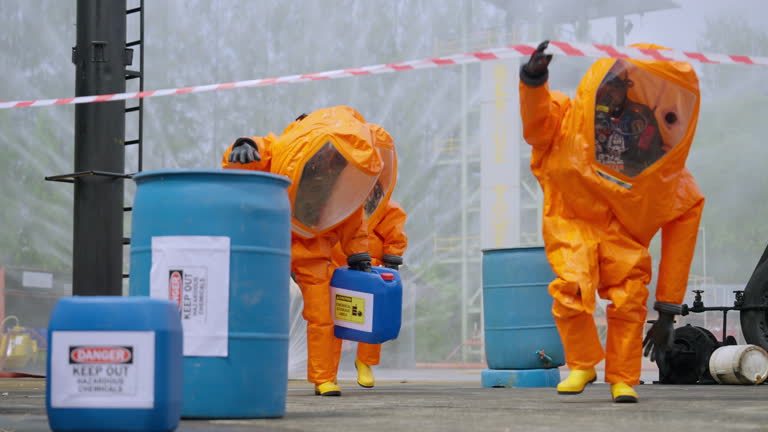
In the commercial sector, maintaining a pest-free environment is crucial for safeguarding property, ensuring employee safety, and enhancing customer experiences. Effective pest control chemicals are indispensable in achieving this goal. While traditional methods have long been employed, the advent of advanced chemical solutions offers a more efficient and targeted approach to pest management. This article delves into the key chemicals used in commercial pest control, their benefits, and how they contribute to creating a pest-free environment.
Understanding Commercial Pest Control Chemicals
Commercial pest control chemicals are designed to target a wide range of pests, including rodents, insects, and arachnids. These chemicals are formulated to be effective, safe, and environmentally friendly, ensuring minimal impact on non-target species.
Key Characteristics of Effective Pest Control Chemicals
- Targeted Action: Chemicals are specifically formulated to target particular pests, reducing the risk of collateral damage.
- Safety: Modern chemicals prioritize safety for humans and pets, with low toxicity levels and minimal environmental impact.
- Longevity: Long-lasting effects ensure extended pest control solutions, reducing the frequency of applications.
- Ease of Use: Commercial chemicals are designed for easy application, whether through sprays, baits, or other delivery methods.
Types of Chemicals Used in Pest Control
Commercial pest control involves the use of various chemical classes, each with distinct properties and applications. Here are some commonly used types:
Insecticides
Insecticides are critical for controlling insect populations. They come in several forms, including sprays, baits, and powders. Some popular insecticides include:
- Pyrethroids: Known for their effectiveness against a broad spectrum of insects, pyrethroids offer rapid knockdown effects.
- Neonicotinoids: These chemicals target the nervous system of insects, providing efficient control over pests like ants and termites.
Rodenticides
Rodenticides are formulated to manage rodent populations, which can cause significant damage to commercial properties. Effective rodenticides include anticoagulants that disrupt blood clotting in rodents.
Fungicides
Fungicides are essential for preventing mold and mildew, which can damage structures and inventory. These chemicals protect against fungal growth by inhibiting spore development.
Benefits of Using Chemical Pest Control Solutions
Implementing chemical solutions in pest management offers numerous advantages. Discover expert strategies here for utilizing these benefits to their fullest potential.
- Efficiency: Chemical solutions provide fast and effective pest control, minimizing downtime and disruptions.
- Comprehensive Coverage: Most chemicals are capable of covering extensive areas, ensuring thorough pest elimination.
- Cost-Effectiveness: By reducing the need for frequent applications, chemical solutions prove economical in the long run.
Choosing the Right Chemical Solutions
When selecting pest control chemicals, it’s essential to consider the specific needs and challenges of the commercial environment. Learn about our tailored solutions to find the most suitable products for your requirements.
Factors to Consider
- Type of Pests: Identify the primary pests affecting your premises to select the most appropriate chemical agents.
- Application Method: Choose chemicals that align with the application methods suitable for your environment.
- Environmental Impact: Opt for eco-friendly options that minimize harm to the environment.
Conclusion
In conclusion, effective commercial pest control chemicals are a pivotal component in maintaining a pest-free environment. By understanding the types, benefits, and selection criteria for these chemicals, businesses can ensure a safer and more productive workplace. Explore advanced guides and tips to further enhance your pest management strategies and achieve optimal results.
