
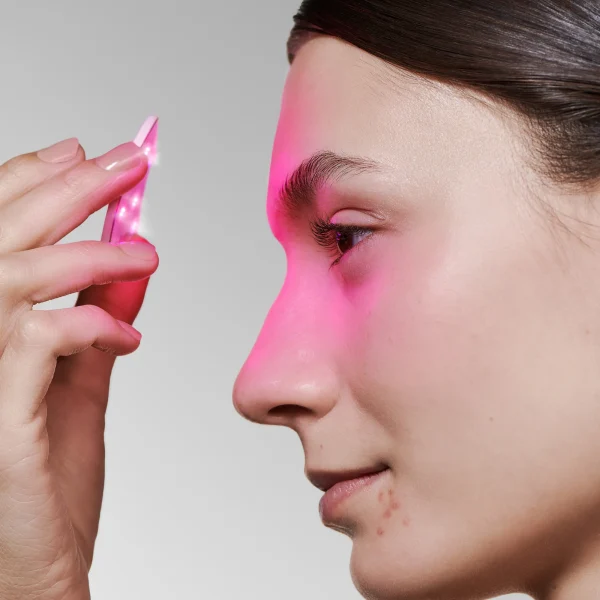
Dark spots, also known as hyperpigmentation, can be a common concern for many individuals seeking a clearer and more even complexion. These spots can appear due to various reasons, such as sun exposure, hormonal changes, or skin injuries. Skin pigmentation treatment offers a promising solution for those looking to fade these unwanted blemishes. By understanding the different types of treatments available, individuals can choose the most effective approach to achieve their desired skin tone. This article explores the different methods available for treating dark spots and how they can help restore radiant skin.
Understanding Skin Pigmentation
Skin pigmentation refers to the coloring of the skin, which is determined by melanin production. When the skin produces excess melanin, dark spots can occur. Understanding the underlying causes of hyperpigmentation is crucial in selecting the appropriate treatment.
Common Causes of Hyperpigmentation
- Excessive sun exposure leading to sunspots.
- Hormonal changes, such as those during pregnancy, resulting in melasma.
- Post-inflammatory hyperpigmentation from acne or skin injuries.
- Side effects of certain medications.
Types of Skin Pigmentation Treatments
There are various treatment options available, each catering to different skin types and conditions. It’s important to consult with a skincare professional to determine the best treatment plan.
Topical Treatments
Topical treatments are often the first line of defense against dark spots. These include:
- Hydroquinone creams, which help to lighten dark spots over time.
- Retinoids that promote cell turnover and reduce pigmentation.
- Vitamin C serums, known for their antioxidant properties and brightening effects.
For a comprehensive understanding of topical treatments, explore further insights here.
Chemical Peels
Chemical peels involve applying a chemical solution to the skin, which exfoliates the outer layers. This process can significantly reduce the appearance of dark spots:
- Alpha Hydroxy Acid (AHA) peels for mild pigmentation issues.
- Trichloroacetic Acid (TCA) peels for more severe cases.
Learn more in this detailed guide on chemical peels.
Laser Therapy
Laser therapy is a popular and effective option for treating dark spots. It targets specific areas of pigmentation with laser light, promoting clearer skin. Types of lasers used include:
- Fraxel lasers that treat sun damage and age spots.
- Q-switched lasers, effective for deeper pigmentation.
Read more about this topic to see if laser therapy is right for you.
Considerations and Aftercare
After undergoing skin pigmentation treatment, proper aftercare is essential to maintain results and prevent recurrence:
- Regular use of sunscreen to protect against UV rays.
- Avoiding direct sun exposure, especially during peak hours.
- Adhering to a skincare routine tailored to post-treatment needs.
Find additional information here on maintaining healthy skin post-treatment.
Conclusion
With the multitude of options available, treating dark spots effectively requires a personalized approach that considers individual skin types and conditions. By consulting a skincare professional and exploring various treatment methods, individuals can achieve a more balanced complexion. Moreover, consistent aftercare is crucial for sustaining results and ensuring skin remains healthy and vibrant. For those seeking to address hyperpigmentation, understanding the available treatments is the first step towards clearer, brighter skin.
