
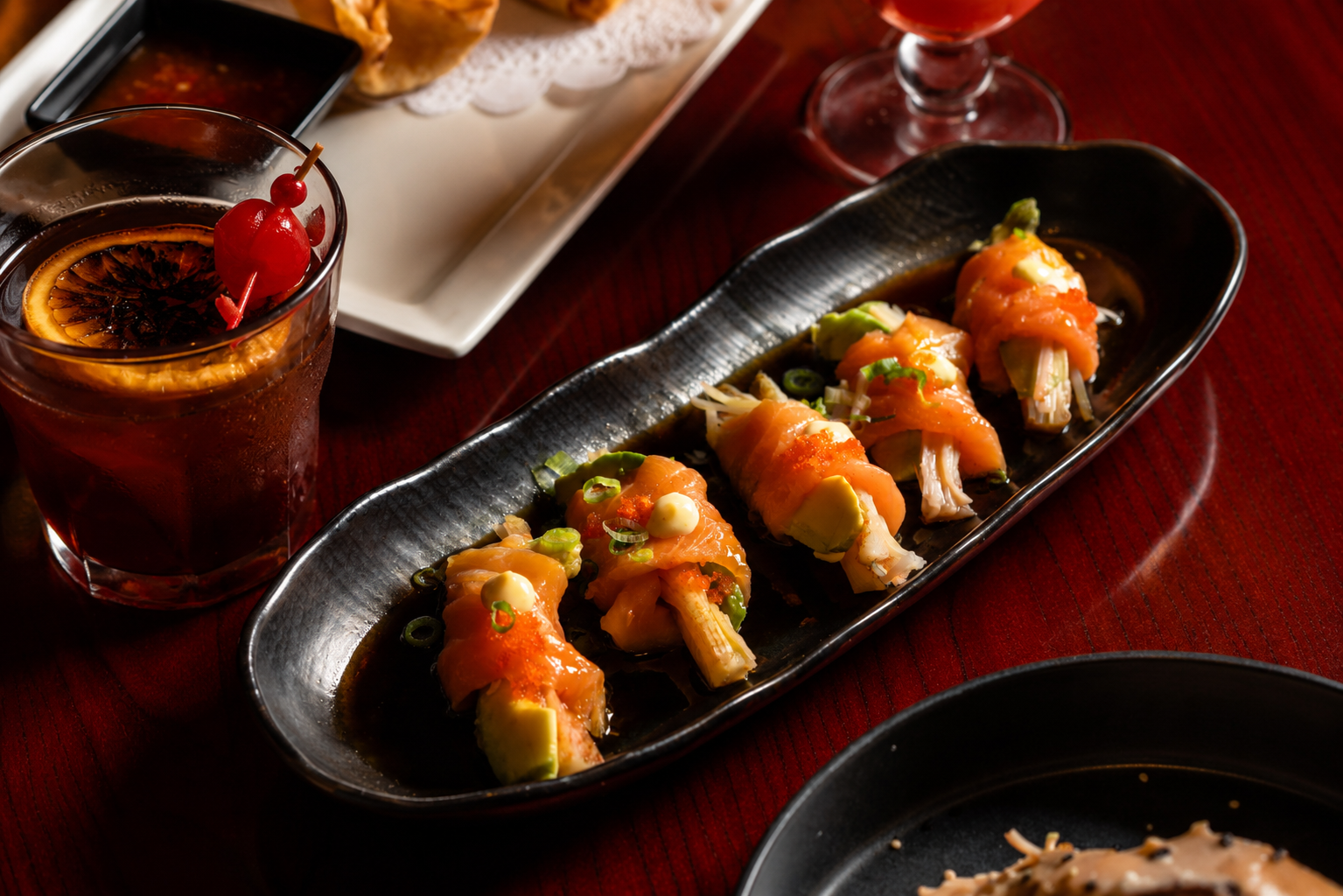
Japanese cuisine is a harmonious blend of flavor, presentation, and tradition. Rich in history and steeped in cultural significance, it offers a unique culinary experience that is both diverse and refined. From sushi and sashimi to ramen and tempura, Japanese food is celebrated globally for its artistic presentation and delicate balance of flavors.
The Essence of Japanese Cuisine
The essence of japanese cuisine lies in its emphasis on fresh ingredients and minimalistic preparation techniques. This approach allows the natural flavors of the ingredients to shine through, creating dishes that are both wholesome and flavorful. Key elements include:
- Freshness: Ingredients are often sourced locally and used in their prime to ensure quality and taste.
- Seasonality: Menus change with the seasons, reflecting the freshest produce available.
- Balance: Dishes are crafted to achieve harmony between taste, texture, and appearance.
Iconic Japanese Dishes
Sushi and Sashimi
Sushi and sashimi are perhaps the most renowned offerings of Japanese culinary art. Both emphasize the purity and quality of raw fish, paired with vinegared rice in the case of sushi. Sashimi, on the other hand, is served without rice, focusing solely on the fish. These dishes are not only a treat for the taste buds but also a visual delight, reflecting Japan’s artistic heritage.
Ramen
Ramen is a beloved comfort food, with a variety of regional interpretations. This noodle soup dish is characterized by its rich broth, which can be made from pork, chicken, or miso, and is often garnished with sliced pork, seaweed, and green onions. Ramen’s versatility and depth of flavor have made it a staple in japanese restaurants worldwide.
Tempura
Tempura involves lightly battering and frying seafood or vegetables to achieve a delicate, crispy texture. This technique, introduced to Japan by Portuguese traders in the 16th century, has become a quintessential part of Japanese cuisine. The lightness of the batter enhances the natural taste of the ingredients, making tempura a popular choice for those seeking a satisfying yet elegant dish.
The Cultural Significance of Japanese Food
Japanese food is deeply intertwined with cultural practices and traditions. Meals are not just about nourishment but are also a reflection of respect for nature and a means of fostering social bonds. Traditional dining etiquette and the presentation of food are integral to the dining experience, emphasizing mindfulness and appreciation.
Exploring Japanese Cuisine
For those looking to explore the depths of Japanese culinary arts, visiting establishments that specialize in authentic japanese food is an excellent way to experience the true essence of this rich culinary tradition. From casual eateries to upscale dining experiences, these venues offer a glimpse into the diverse flavors and techniques that define Japanese cuisine.
Conclusion
Japanese cuisine is a testament to the country’s rich cultural heritage and dedication to culinary excellence. Its emphasis on fresh ingredients, seasonal flavors, and aesthetic presentation makes it a unique and cherished part of global gastronomy. Whether you’re savoring the simplicity of sushi or indulging in the comfort of ramen, every dish offers an opportunity to appreciate the artistry and tradition that define Japanese food.
