
Adding a custom porch can transform a house from ordinary to inviting, providing both functional outdoor space and increased curb appeal. In Lancaster County, the diverse architectural styles, from historic farmhouses to modern ranch homes, create a demand for porch designs that respect tradition while embracing contemporary needs. Whether the goal is to create a cozy spot for morning coffee, a social hub for gatherings, or a seamless transition between indoor and outdoor living, understanding the planning, design, and construction process is essential for a successful project.
Key Considerations Before Starting a Porch Project
Effective planning reduces unexpected costs and ensures the final structure aligns with local regulations and personal expectations. The following points should be reviewed early in the process:
- Zoning and Permit Requirements: Lancaster County municipalities often have specific setback, height, and material guidelines. Consulting the local building department helps avoid costly revisions.
- Architectural Compatibility: The porch should complement the existing fa??ade, roofline, and overall style of the home.
- Purpose and Usage: Define whether the porch will serve as a simple entryway, a screened enclosure, or a fully furnished outdoor living area.
- Budget Allocation: Establish a realistic budget that includes design, materials, labor, and contingency for unforeseen issues.
- Future Maintenance: Choose durable materials that suit the local climate and require minimal upkeep.
For a deeper dive into local building codes, Read more about this topic.
Design Elements That Enhance Functionality and Aesthetics
Material Selection
Material choices influence durability, appearance, and cost. Common options include:
- Wood: Offers classic warmth; requires regular staining or painting.
- Fiber Cement: Mimics wood grain with superior resistance to moisture and pests.
- Vinyl: Low-maintenance and available in various colors, though may lack the premium feel of natural wood.
- Metal: Provides a sleek, modern look and excellent structural strength.
Learn more in this detailed guide.
Roofing and Weather Protection
Choosing the right roof style protects the porch from rain, snow, and sun while contributing to the home’s visual harmony. Options include gabled, shed, or flat roofs, each offering distinct aesthetic and functional benefits. Incorporating proper drainage and flashing is critical to prevent water infiltration.
Lighting and Electrical Considerations
Strategic lighting extends porch usability into evenings and enhances safety. Options range from recessed ceiling fixtures to decorative wall sconces and energy-efficient LED strips. If the porch will host appliances or entertainment systems, planning for electrical outlets and wiring should be addressed during the design phase.
Construction Process Overview
The construction phase typically follows a systematic sequence to ensure structural integrity and compliance with regulations.
- Site Preparation: Clear the area, level the ground, and set up temporary supports if needed.
- Foundation Installation: Depending on the design, this may involve concrete footings, slab-on-grade, or pier foundations.
- Framing: Build the structural skeleton using pressure-treated lumber or steel studs, adhering to load-bearing requirements.
- Sheathing and Roofing: Apply exterior sheathing, install roofing material, and ensure proper flashing.
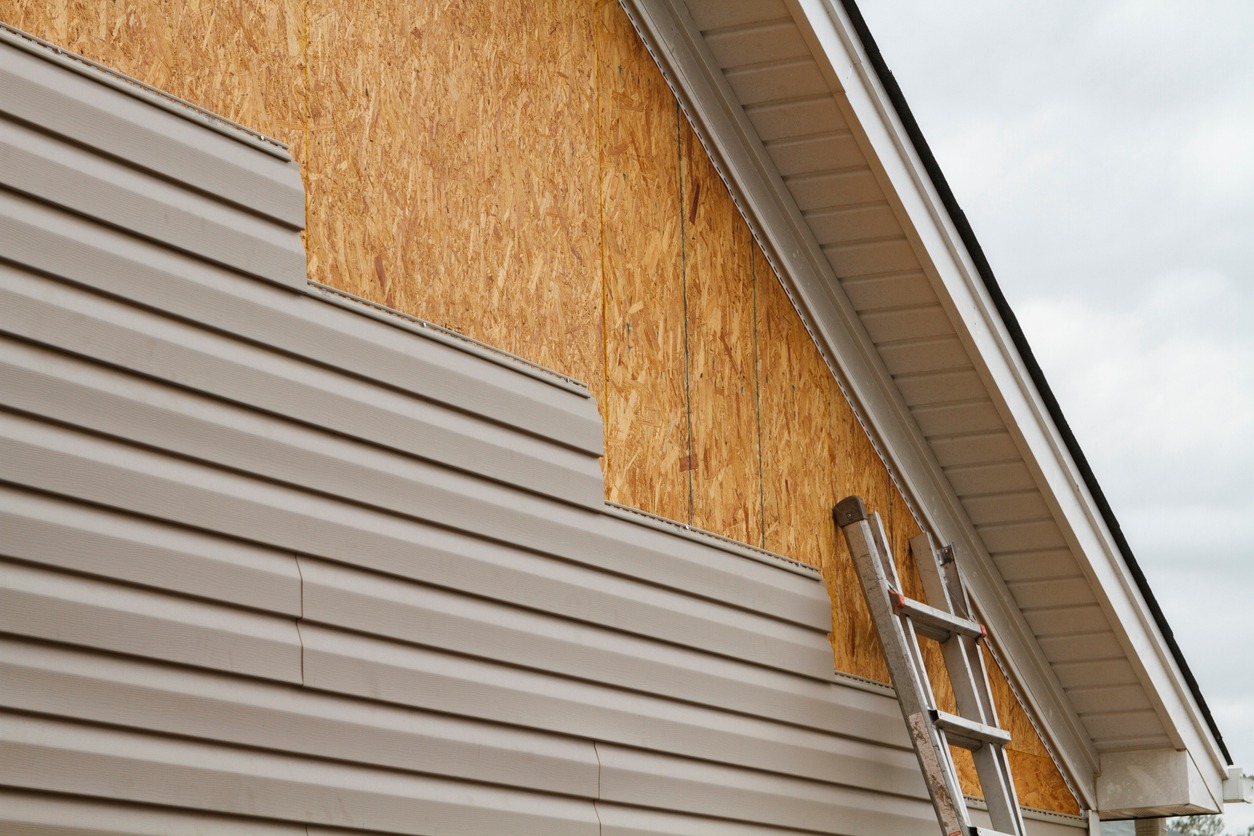
- Exterior Finishing: Add siding, trim, and any decorative elements selected during the design stage.
- Interior Finishing (if applicable): Install flooring, railing, and any built-in seating or storage.
- Final Inspection: Schedule a municipal inspection to confirm compliance before occupancy.
For an in-depth look at each construction step, Explore further insights here.
Maintenance Tips to Preserve Longevity
Regular upkeep extends the life of a custom porch and maintains its visual appeal. Consider the following routine tasks:
- Inspect and reseal joints and seams annually to prevent water intrusion.
- Clean surfaces with mild detergent and a soft brush; avoid high-pressure washers on delicate materials.
- Check for signs of rot, pest damage, or corrosion and address issues promptly.
- Repaint or refinish wood components every 3-5 years, depending on exposure.
- Trim surrounding vegetation to improve airflow and reduce moisture buildup.
Find additional information here.
Conclusion
Custom porch building services in Lancaster County offer homeowners the opportunity to enhance both functionality and aesthetic value. By carefully evaluating zoning regulations, selecting appropriate materials, and following a structured construction process, a porch can become a lasting extension of the home’s living space. Ongoing maintenance ensures the investment remains attractive and structurally sound for years to come. For those seeking further guidance on design ideas, material options, or construction best practices, reputable resources such as the link provided above serve as valuable references throughout the project journey.
