
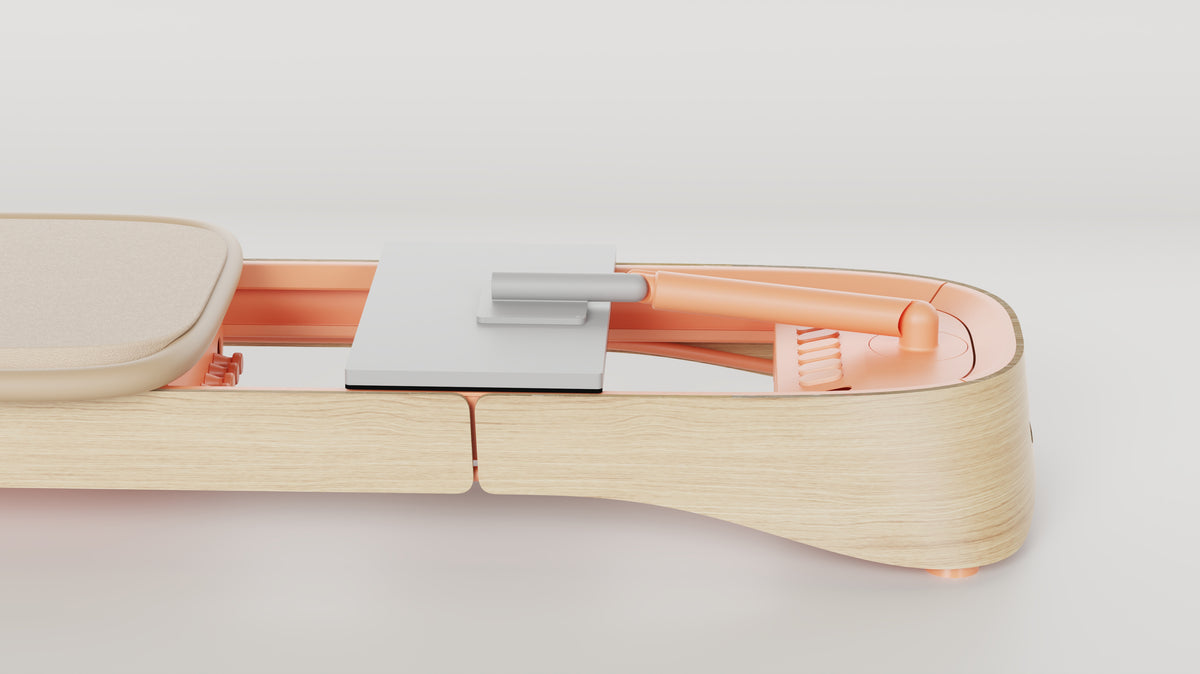
Investing in a Pilates reformer can transform a home gym or studio, offering a versatile platform for strength, flexibility, and core stability training. However, the cost of a Pilates machine varies widely based on design, materials, and additional features. Understanding the price structure helps buyers make an informed decision that aligns with both budget constraints and performance expectations. This guide breaks down the factors that influence pricing, outlines typical cost ranges, and provides practical tips for selecting the right reformer without compromising quality.
Key Factors Influencing Pilates Reformer Prices
The price of a Pilates reformer is not a simple number; it reflects a combination of engineering, craftsmanship, and functionality. Below are the primary elements that drive cost differences:
- Frame Material: Aluminum frames are lightweight and rust-resistant, often costing less than steel or premium wood constructions, which add durability and aesthetic appeal.
- Carriage Design: Smooth, low-friction carriages with precision bearings enhance movement quality but require more sophisticated engineering.
- Spring System: Adjustable spring mechanisms (e.g., steel, silicone, or magnetic) affect resistance range and longevity.
- Accessories: Included footbars, shoulder rests, headrests, and optional attachments such as a Cadillac or tower increase overall value.
- Brand Reputation: Established manufacturers often price higher due to proven reliability, warranty support, and after-sales service.
- Portability: Foldable or compact models designed for easy storage may carry a premium for engineering that maintains stability while being transportable.
Typical Price Ranges
Below is a concise overview of what buyers can expect across different market segments:
Entry-Level Reformer
- Price Range: $800 – $1,500
- Features: Basic aluminum frame, limited spring options, minimal accessories.
- Ideal For: Home users beginning Pilates practice or studios on a tight budget.
Mid-Range Reformer
- Price Range: $1,500 – $3,000
- Features: Higher-grade steel or wood frames, smoother carriage, multiple spring sets, standard accessories.
- Ideal For: Dedicated home gyms and boutique studios seeking durability and a broader resistance spectrum.
Premium / Commercial Reformer
- Price Range: $3,000 – $6,500+
- Features: Precision-engineered components, extensive accessory kits, ergonomic designs, extended warranties.
- Ideal For: Professional studios, rehabilitation centers, and serious practitioners who demand top-tier performance.
How to Evaluate Value Beyond the Sticker Price
When comparing options, consider these criteria to ensure a purchase delivers long-term benefits:
- Warranty & Support: A longer warranty (typically 2-5 years) signals confidence in product durability.
- User Reviews: Real-world feedback highlights potential issues such as squeaking carriages or spring wear.
- Upgrade Potential: Some models allow future accessory additions, extending functionality without a full replacement.
- Space Requirements: Measure the intended area; a compact design may be worth a higher price if it fits your environment.
Cost-Saving Strategies
Purchasing a reformer doesn’t have to break the bank. Below are actionable ways to reduce expenses while maintaining quality:
- Shop during seasonal sales or promotional events; many retailers offer up to 20% off.
- Consider gently used or refurbished units from reputable dealers.
- Bundle accessories with the main purchase to avoid separate shipping fees.
- Leverage financing options that spread cost over manageable monthly payments.
Where to Find Reliable Options
For those seeking a balance of performance and price, reputable online platforms provide detailed specifications and customer support. Discover expert strategies here to navigate product listings, compare features, and read in-depth reviews. Additionally, learn about our tailored solutions that cater to both home enthusiasts and commercial environments, ensuring the selected reformer aligns with training goals.
Frequently Asked Questions
What is the average lifespan of a Pilates reformer?
With proper maintenance, regular cleaning, spring checks, and occasional part replacement, a high-quality reformer can last 10″?years or more, especially in a commercial setting.
Do I need professional assembly?
Most mid-range and premium models include detailed instructions and can be assembled by an experienced DIYer. However, professional assembly guarantees optimal alignment and safety, particularly for larger commercial units.
Can I use a reformer for rehabilitation?
Yes. The adjustable resistance and controlled movements make reformers ideal for low-impact rehab programs. Look for models with smooth carriage action and customizable spring tension to accommodate varying therapeutic needs.
Final Considerations
Choosing the right Pilates reformer involves balancing budget, space, and performance requirements. By understanding the components that drive cost, evaluating long-term value, and exploring reputable sources, buyers can make a confident investment that supports consistent practice and client satisfaction. For a comprehensive look at top-tier options and detailed product information, explore advanced guides and tips. If you’re ready to dive deeper into equipment selection, find out more about this approach and ensure your purchase aligns with both immediate needs and future growth.
