
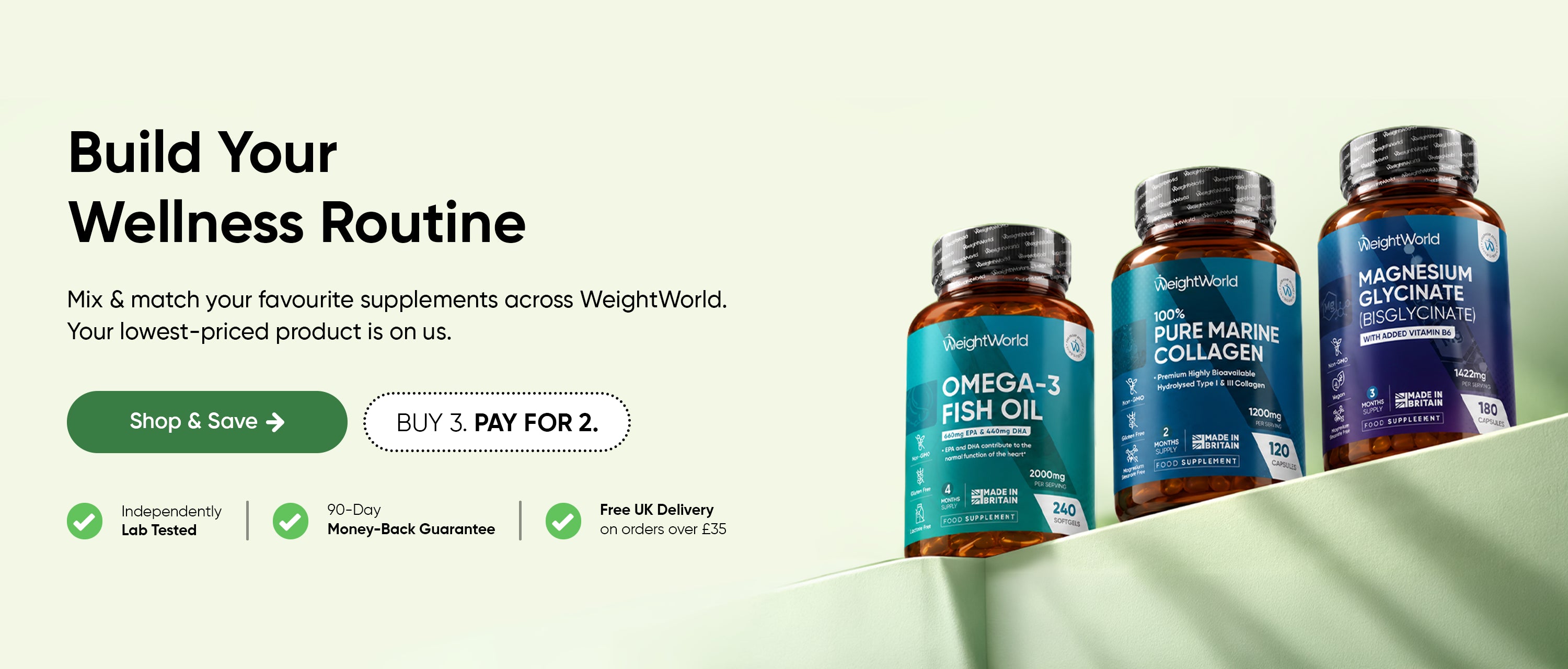
Choosing the right vitamins and supplements can feel overwhelming, especially with the sheer volume of products on the market. Understanding personal health goals, dietary gaps, and scientific evidence helps turn that confusion into confidence. This guide breaks down the essential factors to consider, explains how to evaluate product quality, and offers practical steps for building a supplement regimen that supports long-term wellness.
Why Supplements May Be Necessary
Even the most balanced diet can fall short of providing every micronutrient the body needs. Common reasons people turn to supplements include:
- Limited exposure to sunlight, leading to low vitamin D levels.
- Dietary restrictions such as veganism, gluten-free, or low-carb plans.
- Increased physiological demands during pregnancy, intense training, or aging.
- Medical conditions that impair absorption of nutrients (e.g., celiac disease, Crohn’s disease).
When these gaps are identified, targeted supplementation can bridge the deficiency, improve energy, support immune function, and enhance overall vitality.
Assessing Your Personal Needs
Before adding any product to your routine, a systematic assessment is essential.
1. Conduct a Nutrient Gap Analysis
Start with a simple questionnaire:
- Do you follow a restrictive diet?
- Do you experience frequent fatigue, hair loss, or brittle nails?
- Has a healthcare professional identified any deficiencies through blood work?
Answers guide you toward specific vitamins, such as B-complex for energy or biotin for hair health.
2. Consult a Healthcare Professional
Professional guidance ensures that supplementation does not interfere with medications or existing conditions. A qualified practitioner can also recommend appropriate dosage ranges based on age, gender, and activity level.
3. Use Reliable Testing Tools
Home testing kits for vitamin D, iron, and omega-3 levels are increasingly accurate. Results can be cross-checked with a clinician to confirm the need for supplementation.
Evaluating Product Quality
Not all supplements are created equal. Quality assessment should focus on three core pillars: purity, potency, and transparency.
Purity
- Look for third-party certifications such as NSF International, USP, or Informed-Choice.
- Check for “free from” claims, no artificial colors, allergens, or unnecessary fillers.
Potency
- Verify that the label lists the exact amount of active ingredient per serving.
- Beware of “megadoses” that exceed recommended daily allowances without clinical justification.
Transparency
- Manufacturers that provide batch-specific testing results demonstrate confidence in their product.
- Clear labeling of source (e.g., marine-derived omega-3 vs. plant-based) helps you match the supplement to your dietary preferences.
For a deeper dive into selecting high-quality options, Discover expert strategies here offers evidence-based guidance.
Key Supplement Categories and Their Typical Uses
Below is a concise overview of the most commonly used supplement groups, their primary benefits, and situations where they may be appropriate.
Vitamins
- Vitamin D – Supports bone health, immune function, and mood regulation; especially important for indoor workers.
- Vitamin B12 – Crucial for nerve health and red blood cell formation; often needed by vegans.
- Vitamin C – Antioxidant that aids collagen synthesis and iron absorption.
Minerals
- Magnesium – Relieves muscle cramps, improves sleep quality, and supports cardiovascular health.
- Iron – Essential for oxygen transport; supplementation should follow confirmed deficiency testing.
- Zinc – Enhances immune response and wound healing.
Omega-3 Fatty Acids
- EPA and DHA from fish oil or algae support heart health, brain function, and inflammation control.
Protein & Amino Acids
- Whey, casein, or plant-based proteins help meet daily protein targets, particularly for athletes.
- Branched-chain amino acids (BCAAs) may aid muscle recovery after intense training.
To explore advanced guides and tips on integrating these nutrients into a balanced plan, visit Explore advanced guides and tips.
Creating a Sustainable Supplement Routine
A successful regimen balances consistency with flexibility. Follow these steps:
- Start Small – Introduce one supplement at a time to monitor tolerance and effectiveness.
- Timing Matters – Fat-soluble vitamins (A, D, E, K) are best taken with meals containing healthy fats; water-soluble vitamins (C, B-complex) can be taken on an empty stomach.
- Track Results – Use a journal or app to note changes in energy, sleep, and any side effects.
- Reassess Periodically – Schedule a follow-up blood test every 6-12 months to adjust dosages.
Common Pitfalls to Avoid
- Over-Supplementation – More isn’t always better; excessive intake can cause toxicity (e.g., vitamin A, iron).
- Ignoring Interactions – Certain nutrients compete for absorption; calcium can inhibit iron uptake if taken together.
- Relying Solely on Supplements – Whole foods provide synergistic compounds that isolated pills cannot replicate.
- Choosing Based on Price Alone – Low-cost options may lack proper testing or contain fillers.
Where to Find Trusted Resources
Reliable information is crucial for making informed decisions. Academic journals, government health portals, and reputable nutrition websites provide evidence-based data. For practical, user-friendly content that bridges scientific research and everyday application, Learn about our tailored solutions offers a curated library of articles, videos, and expert interviews.
Conclusion
Selecting the right vitamins and supplements is a personalized journey that blends self-assessment, professional advice, and diligent product research. By understanding your unique nutritional gaps, prioritizing quality, and integrating supplements thoughtfully into daily life, you can enhance overall health without compromising safety. Continual monitoring and adaptation ensure that your regimen evolves alongside your lifestyle and health goals. For ongoing support and up-to-date recommendations, Find out more about this approach and stay connected with resources that prioritize scientific integrity and practical outcomes.
