
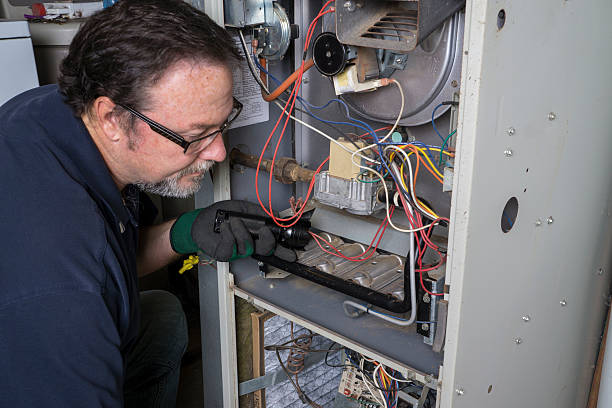
Electrical issues are among the most common household problems, and while some glitches can be resolved quickly, others require a more methodical approach. Understanding the typical faults, such as tripped breakers, flickering lights, faulty outlets, and dimmer malfunctions, helps homeowners act safely and efficiently. This guide outlines the most frequent home electrical repairs and provides clear, step-by-step instructions for addressing each one, while also highlighting when professional assistance is advisable.
1. Tripped Circuit Breakers
A tripped breaker is often the first sign of an overload or short circuit. Restoring power is simple, but identifying the cause prevents recurring trips.
How to Reset a Breaker
- Locate the main electrical panel, usually in a basement, garage, or utility closet.
- Identify the breaker that is in the “off” position or displaying a red/ orange indicator.
- Flip the breaker fully to the “off” position, then back to “on.”
- If the breaker trips again immediately, unplug all devices on that circuit and try resetting once more.
When to Seek Professional Help
- Repeated trips after resetting.
- Visible signs of burning, scorch marks, or a humming noise from the panel.
- Uncertainty about which circuit is affected.
For deeper insight into troubleshooting overloads, Discover expert strategies here.
2. Flickering or Dim Lights
Inconsistent lighting can stem from loose connections, aging bulbs, or voltage fluctuations.
Simple Checks
- Replace the bulb with a new, compatible type.
- Ensure the bulb is screwed in securely.
- Inspect the switch for wear; replace if the toggle feels loose.
Deeper Inspection
- Turn off power at the breaker.
- Remove the fixture cover and check for loose wire nuts or corroded terminals.
- Tighten connections using a screwdriver, but avoid over-tightening.
If the issue persists, it may indicate a problem with the circuit’s wiring. Learn about our tailored solutions.
3. Faulty or Dead Outlets
Outlets that no longer supply power can be caused by tripped GFCI units, loose wiring, or internal failure.
Testing an Outlet
- Use a non-contact voltage tester to confirm the outlet is dead.
- Check nearby GFCI outlets; press the “reset” button if they have tripped.
Replacing a Damaged Outlet
- Turn off the circuit breaker controlling the outlet.
- Remove the outlet cover plate and unscrew the outlet from the box.
- Detach the wires, noting which color connects to which terminal.
- Connect the wires to a new outlet (black to brass, white to silver, green/bare to ground).
- Secure the outlet, replace the cover plate, and restore power.
For a comprehensive guide on safe outlet replacement, Explore advanced guides and tips.
4. Malfunctioning Light Switches
Switches that feel loose, fail to stay in the “on” position, or produce a buzzing sound often need replacement.
Replacement Procedure
- Shut off the appropriate breaker.
- Remove the switch plate and unscrew the switch from the wall box.
- Label the incoming (line) and outgoing (load) wires before disconnecting.
- Attach the wires to the new switch following the manufacturer’s diagram.
- Secure the switch, reinstall the plate, and restore power.
For additional safety considerations when working with switches, Find out more about this approach.
5. Overloaded Circuits
When too many high-draw appliances share a single circuit, breakers may trip frequently, and wiring can overheat.
Identifying Overload Sources
- Make a list of devices plugged into each outlet on the problematic circuit.
- Calculate the total amperage; most residential circuits are rated for 15″?A or 20″?A.
- Move high-consumption items (e.g., space heaters, hair dryers) to a different circuit.
Long-Term Solutions
- Install dedicated circuits for heavy appliances such as refrigerators, HVAC units, or workshop tools.
- Upgrade existing wiring to a higher gauge where permissible by code.
- Consult a licensed electrician to assess load distribution and recommend panel upgrades.
Guidance on planning circuit upgrades can be found at Discover expert strategies here.
6. Frequently Overlooked Safety Checks
Regular maintenance helps prevent many of the problems listed above.
- Test GFCI outlets monthly by pressing the “test” and “reset” buttons.
- Inspect cords for fraying or exposed conductors; replace damaged cords immediately.
- Keep electrical panels clear of storage items to allow easy access.
- Schedule a professional inspection every 3-5″?years, especially in older homes.
For a full checklist of preventive measures, Explore advanced guides and tips.
Conclusion
While many minor electrical issues can be resolved with basic tools and a methodical approach, safety must always remain the priority. Recognizing the signs of a deeper problem, such as repeated breaker trips, persistent flickering, or warm outlets, signals that professional expertise is required. By following the outlined steps and leveraging reliable resources, homeowners can confidently address common repairs, maintain a safe living environment, and extend the lifespan of their home’s electrical system.
