
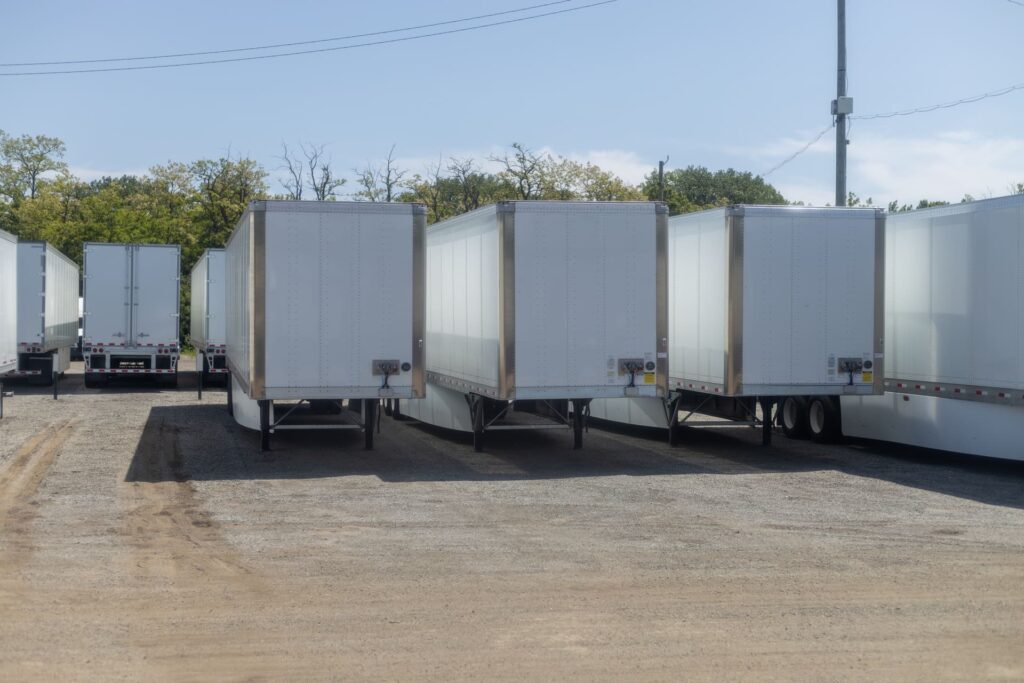
In Atlanta, efficient yard management is a critical component of logistics and supply chain operations. With the increasing complexity of supply chain networks, the need for streamlined operations has never been more pronounced. Effective yard management involves the coordination of all activities and movements within the yard, ensuring that operations run smoothly and efficiently. From tracking trailers to managing inventory and ensuring compliance, yard management is a multifaceted task that requires a strategic approach. This article explores some of the effective strategies employed in yard management, highlighting the importance of technology, planning, and execution.
Technology Integration in Yard Management
Technology plays a pivotal role in modern yard management strategies. The integration of advanced technologies can significantly enhance visibility, precision, and efficiency in yard operations. Here’s how technology can be utilized:
- Yard Management Systems (YMS): Implementing a comprehensive Yard Management System can streamline operations by providing real-time data on trailer locations, inventory levels, and yard activities. Discover expert strategies here.
- RFID and GPS Tracking: Utilizing RFID and GPS technologies for tracking trailers and assets can reduce wait times, improve inventory accuracy, and enhance overall operational efficiency.
- Automated Gate Systems: Automated gates help in reducing bottlenecks and improving the flow of inbound and outbound traffic, thereby enhancing the efficiency of yard operations.
Strategic Planning and Execution
Efficient yard management in Atlanta requires meticulous planning and execution. This involves developing strategies that align with business goals and ensure seamless yard operations. Key planning strategies include:
- Capacity Planning: Understanding the yard’s capacity and planning accordingly helps in avoiding congestion and optimizing space utilization. Learn about our tailored solutions.
- Scheduling and Coordination: Well-coordinated scheduling of arrivals and departures can minimize idle times and improve throughput. Effective communication with drivers and warehouse staff is crucial in this regard.
- Risk Management: Identifying potential risks and developing contingency plans can mitigate disruptions and ensure continuity of operations.
Enhancing Operational Efficiency
Operational efficiency is at the heart of effective yard management. Implementing processes and systems that enhance efficiency can lead to significant cost savings and improved service levels. Consider the following:
- Lean Management Practices: Adopting lean principles can help in eliminating waste and enhancing value in yard operations. This includes optimizing resource allocation and improving workflow processes.
- Data-Driven Decision Making: Leveraging data analytics for decision-making can lead to more informed and effective strategies. Explore advanced guides and tips.
- Training and Development: Investing in employee training can enhance skill levels and improve operational efficiency. Ensuring that staff are well-versed with the latest technologies and processes is crucial for success.
Ensuring Regulatory Compliance
Compliance with local, state, and federal regulations is a fundamental aspect of yard management. It is important to stay informed and ensure that all operations adhere to the necessary legal requirements. Key compliance strategies include:
- Regular Audits and Inspections: Conducting regular audits and inspections can help in identifying compliance gaps and ensuring adherence to regulations.
- Documentation and Reporting: Maintaining accurate records and documentation is essential for compliance. This includes tracking shipments, inventory, and yard activities.
- Environmental Considerations: Implementing environmentally friendly practices can help in meeting sustainability goals and complying with environmental regulations. Find out more about this approach.
In conclusion, effective yard management in Atlanta involves a blend of technology integration, strategic planning, operational efficiency, and compliance. By employing these strategies, businesses can enhance their yard operations, reduce costs, and improve service delivery. As the logistics landscape continues to evolve, staying ahead with innovative solutions and expert guidance is essential for success.
