
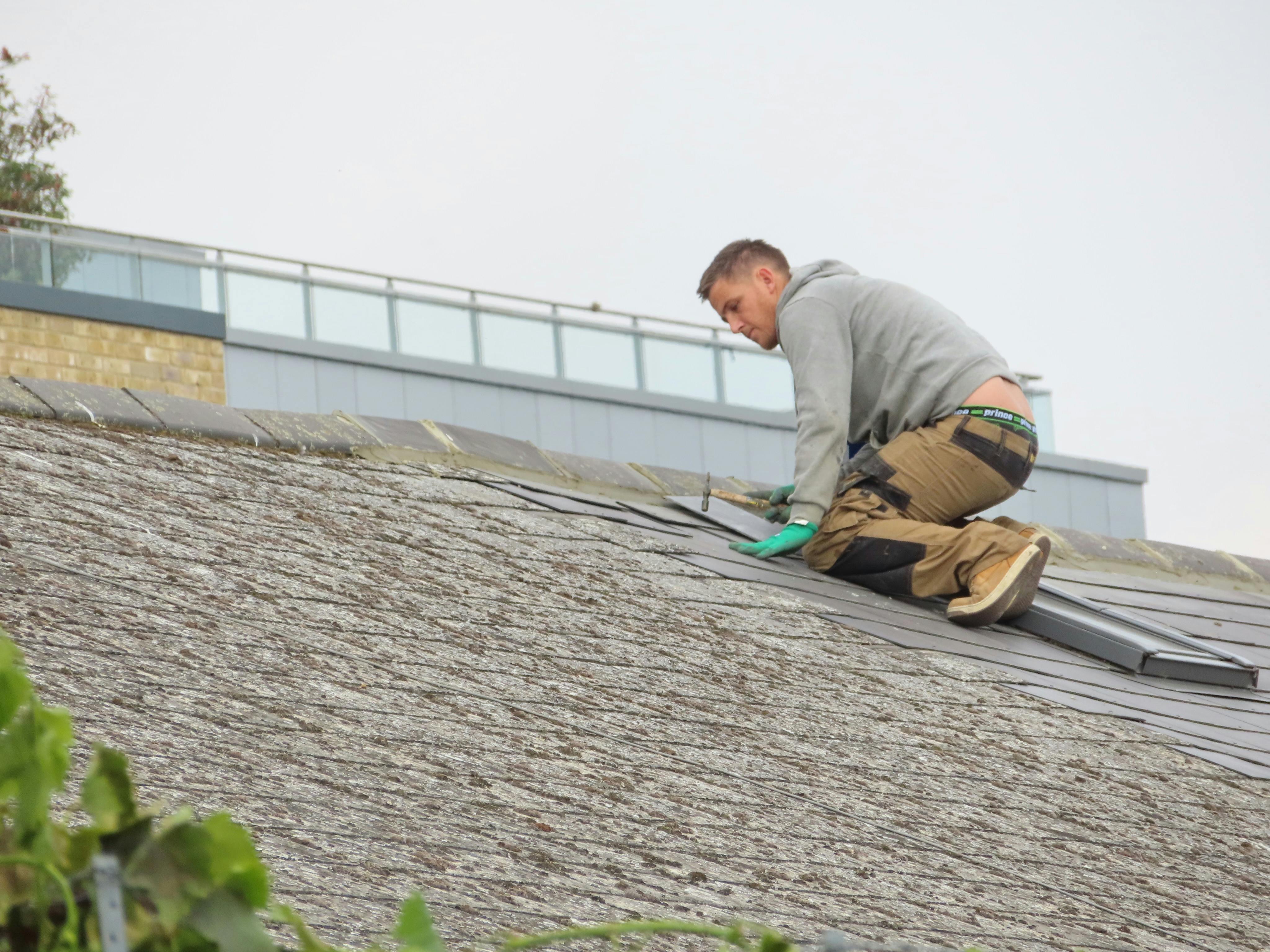
Roof leaks can be a significant concern for homeowners, often leading to structural damage, mold growth, and energy inefficiencies. Addressing these issues promptly and effectively is vital to maintaining the integrity of the home. This article explores efficient roof leak repair solutions, offering insights into best practices and advanced techniques available today. For those seeking professional guidance, it’s crucial to rely on trusted resources and expert advice to ensure long-lasting results.
Identifying Roof Leak Sources
Before embarking on repairs, accurately identifying the source of a leak is fundamental. Common origins include:
- Damaged Shingles: Cracked, curled, or missing shingles can allow water to penetrate the roof surface.
- Faulty Flashing: Flashing around chimneys, vents, and skylights can deteriorate over time, leading to water ingress.
- Clogged Gutters: Blockages prevent proper drainage, causing water to pool and eventually seep through the roof.
- Valley Damage: The valleys where two roof planes meet are vulnerable to wear and tear, especially if not properly maintained.
To discover expert strategies for identifying and addressing these issues, explore advanced guides and tips tailored to various types of roof systems.
Effective Repair Techniques
Shingle Replacement
Replacing damaged shingles is a straightforward yet effective solution. Ensure that the new shingles match the existing ones in color and material to maintain aesthetic continuity. Proper installation involves:
- Removing the damaged shingle and any nails or adhesive.
- Positioning the new shingle correctly to ensure watertight coverage.
- Securing the shingle with appropriate nails and sealant.
For step-by-step guidance, discover expert strategies here.
Flashing Repair
Flashing issues often require targeted repairs or replacement. This process generally involves:
- Carefully removing the old flashing without damaging surrounding materials.
- Fitting new flashing that aligns perfectly with the roof’s contours.
- Sealing the edges with a high-quality waterproof sealant.
To learn about tailored solutions for flashing repairs, find out more about this approach.
Gutter Maintenance and Repair
Regular maintenance of gutters can prevent many leak-related issues. Key steps include:
- Clearing debris to ensure unobstructed water flow.
- Inspecting for and repairing any leaks or cracks in the gutter material.
- Ensuring downspouts direct water away from the foundation.
For more detailed instructions, explore advanced guides and tips on gutter maintenance.
Preventive Measures
Prevention is often more effective and less costly than repair. Incorporate these practices into regular roof maintenance:
- Regular Inspections: Conduct bi-annual roof inspections to catch potential problems early.
- Trimming Overhanging Branches: Prevent branches from damaging the roof surface during storms.
- Ensuring Proper Attic Ventilation: Adequate ventilation reduces moisture accumulation under the roof.
To learn about tailored solutions for implementing these preventive measures, consider consulting with roofing experts.
Conclusion
Repairing roof leaks efficiently requires a combination of accurate identification, appropriate repair techniques, and preventive strategies. Whether dealing with minor shingle damage or more complex flashing issues, utilizing expert guidance ensures the longevity and performance of the roof. Homeowners can safeguard their investments and maintain their property’s value by staying informed and proactive. For those seeking comprehensive solutions, find out more about this approach to roof maintenance and repair.
