
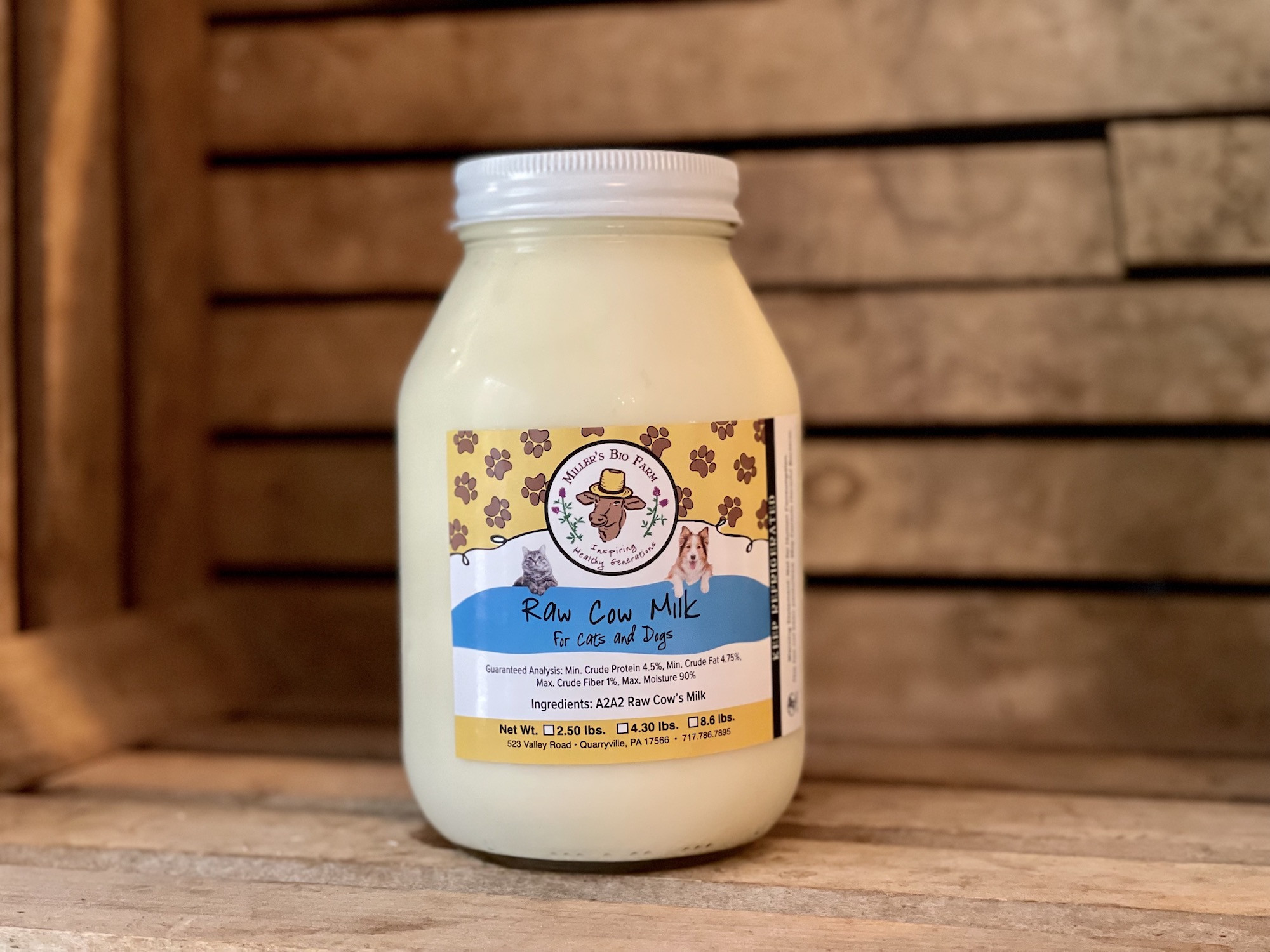
In recent years, there has been a significant shift in consumer preferences towards organic food as people become more conscious of their health and environmental impact. Organic foods are not only believed to be healthier options but also more sustainable and environmentally friendly. This growing trend underscores the importance of understanding organic food alternatives and their potential benefits. By exploring these alternatives, individuals can make informed decisions that contribute to a healthier lifestyle and a more sustainable future.
Understanding Organic Food
Organic food refers to products that are grown and processed without the use of synthetic fertilizers, pesticides, or genetically modified organisms (GMOs). The aim is to produce food in a natural and environmentally sustainable manner. Organic farming practices focus on maintaining soil fertility, reducing pollution, and promoting ecological balance.
- Organic produce must be free from synthetic additives.
- Meats and dairy products must come from animals that have not been given growth hormones or antibiotics.
- Organic farming practices aim to conserve water and soil quality.
Read more about this topic here.
Benefits of Organic Food
Choosing organic food alternatives can offer numerous benefits, both for personal health and the environment. Here are some key advantages:
Health Benefits
Organic foods are often richer in nutrients compared to their conventional counterparts. They are believed to contain higher levels of vitamins, minerals, and antioxidants, which are essential for maintaining good health.
- Reduced exposure to harmful chemicals and pesticides.
- Higher antioxidant content, which helps fight oxidative stress.
- Potentially lower levels of heavy metals.
Learn more in this detailed guide here.
Environmental Benefits
Organic farming practices are designed to protect the environment and promote sustainability. By choosing organic, consumers are supporting agricultural practices that are less harmful to the planet.
- Reduced pollution and soil erosion.
- Enhanced biodiversity and ecosystem health.
- Conservation of water resources.
Explore further insights here.
How to Incorporate Organic Foods into Your Diet
Transitioning to an organic diet does not have to be overwhelming. Here are some practical tips for incorporating organic foods into your daily routine:
- Start by replacing staple foods like fruits, vegetables, and grains with organic options.
- Visit local farmers’ markets to access fresh, organic produce.
- Look for organic labels and certifications when shopping.
- Prioritize organic options for products with the highest pesticide residues.
Find additional information here.
Challenges and Considerations
While organic foods offer numerous benefits, there are also challenges and considerations to keep in mind:
- Higher cost compared to conventional foods can be a barrier for some consumers.
- Availability of organic options may vary depending on location.
- Not all foods labeled as “natural” are organic; look for certified organic labels.
Understanding these challenges can help consumers make informed choices and explore viable organic alternatives.
