
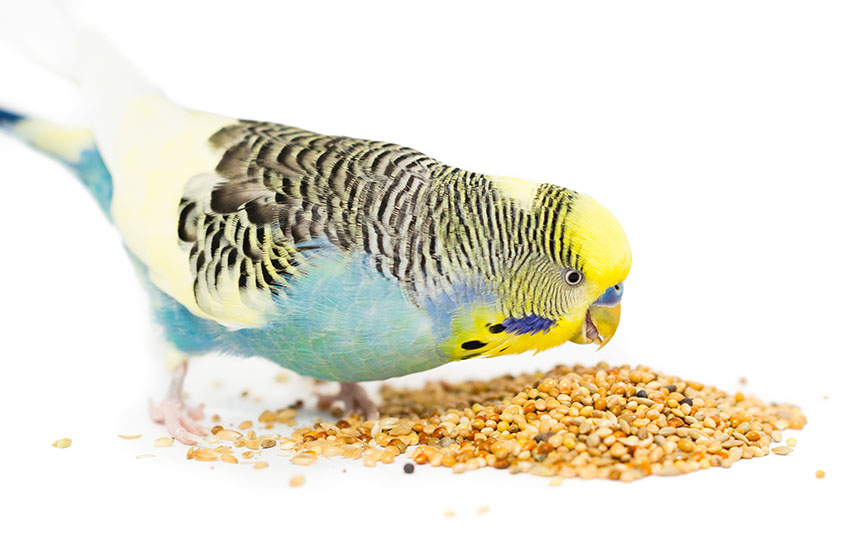
As a responsible parrot owner, providing a balanced and nutritious diet for your feathered friend is crucial for their overall health and well-being. A well-planned diet can help prevent a range of health issues, from obesity and malnutrition to behavioral problems and feather plucking. While it’s tempting to rely on convenience foods or treats, these can often be high in sugar, salt, and unhealthy fats, which can have serious consequences for your parrot’s long-term health. In this guide, we’ll explore the best foods for parrots, including fresh fruits and vegetables, high-quality pellets, and healthy treats, and provide expert advice on how to create a customized diet that meets your parrot’s unique needs.
Choosing the Right Pellets
Pellets are a staple of a parrot’s diet, providing a balanced mix of nutrients and energy. However, not all pellets are created equal. Look for high-quality pellets that are made from wholesome ingredients and are free from additives and fillers. Some popular options include pellets from reputable manufacturers, such as those available on Discover expert strategies here for creating a customized diet that meets your parrot’s unique needs. When selecting a pellet, consider the age, size, and species of your parrot, as well as any dietary restrictions or allergies.
- Nutri-Bird pellets are a popular choice among parrot owners, offering a balanced mix of nutrients and energy.
- Harrison’s Bird Foods pellets are another excellent option, made from high-quality ingredients and free from additives and fillers.
- Consider a pellet that is specifically formulated for your parrot’s life stage, such as a juvenile or adult pellet.
Fresh Fruits and Vegetables
Fresh fruits and vegetables are a great way to add variety and nutrition to your parrot’s diet. However, be sure to introduce new foods gradually and in small amounts to prevent digestive upset. Some safe options include:
- Leafy greens such as kale, spinach, and collard greens
- Crunchy vegetables like carrots, sweet potatoes, and bell peppers
- Fruits like apples, bananas, and berries
Remember to remove seeds, pits, and stems, as these can be toxic to parrots. Also, be sure to wash all fruits and vegetables thoroughly before serving to your parrot. For more information on introducing fresh foods into your parrot’s diet, explore Learn about our tailored solutions to create a customized diet that meets your parrot’s unique needs.
Healthy Treats
Treats can be a fun and rewarding way to bond with your parrot, but be sure to choose healthy options that are low in sugar and fat. Some popular choices include:
- Nuts and seeds, such as almonds and sunflower seeds
- Dried fruits, like apricots and cranberries
- Vegetable-based treats, such as carrot and sweet potato sticks
Remember to limit treats to no more than 10% of your parrot’s daily diet, and choose options that are rich in nutrients and low in added sugars and fats. For more information on healthy treat options, explore Explore advanced guides and tips on creating a customized diet that meets your parrot’s unique needs.
Creating a Customized Diet
Every parrot is unique, with different nutritional needs and preferences. By working with a veterinarian or experienced bird breeder, you can create a customized diet that meets your parrot’s individual needs. This may involve combining different foods, adjusting portion sizes, and monitoring your parrot’s response to different ingredients. For more information on creating a customized diet, visit Find out more about this approach and discover expert strategies for creating a balanced and nutritious diet for your feathered friend.
