
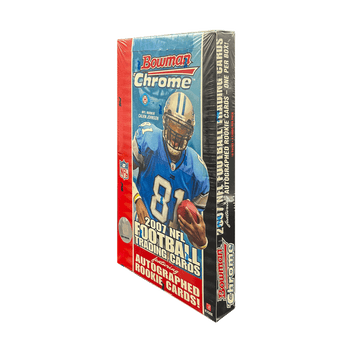
Collecting sports cards can be as thrilling as watching the games themselves. Whether the goal is to own a piece of history, build a portfolio for future value, or simply enjoy the hobby, the first steps often feel overwhelming. This guide breaks down the process into clear, manageable actions so newcomers can dive in with confidence and start building a collection that reflects both personal passion and market insight.
1. Define Your Collecting Goals
Before purchasing any card, clarify what you hope to achieve. Goals shape the types of cards you chase, the budget you set, and the resources you’ll need.
- Historical interest: Focus on iconic moments, Hall-of-Fame players, and Vintage Trading Cards that capture the evolution of the sport.
- Investment potential: Target high-grade rookie cards, limited-edition inserts, and cards from well-known manufacturers.
- Personal enjoyment: Build a set featuring favorite teams, current stars, or memorabilia-filled cards that tell a story.
2. Learn the Basics of Card Grading and Condition
Condition is the single most important factor affecting a card’s value. Understanding grading terminology helps you assess cards accurately.
Key Grading Terms
- Mint (MT) / Gem Mint (GEM MT): Near-perfect condition with no visible flaws.
- Near Mint (NM) / Near Mint-Plus (NM+): Minor imperfections, such as faint surface wear.
- Excellent (EX) / Very Good (VG): Noticeable wear, but the card remains collectible.
- Professional grading services: Companies like PSA, BGS, and CGC assign numeric grades (1-10) that standardize condition assessments.
3. Choose the Right Buying Channels
Finding reputable sources is essential for both quality and price transparency. Several online platforms cater specifically to hobbyists.
- Trading Card Store – Offers a curated selection of modern releases and classic sets.
- Sports Card Store – Features a broad inventory ranging from rookie cards to specialty inserts.
- Online Sports Card Store – Provides tools for filtering by player, year, and condition, making it easier to locate niche items.
- Secondary marketplaces (e.g., eBay, COMC) – Useful for rare finds, but require careful seller vetting.
4. Build a Core Collection Strategy
A well-balanced core collection serves as the foundation for future expansion.
Starter Sets to Consider
- Rookie cards: The first card issued for a player is often the most valuable over time.
- Base sets: Complete a set from a single year to understand the era’s design and production trends.
- Insert cards: Limited-edition or autographed inserts add variety and potential upside.
5. Protect and Store Your Cards Properly
Preserving condition is a long-term investment. Use industry-standard supplies to keep cards safe from environmental damage.
- Soft sleeves (penny-sleeves) for everyday handling.
- Toploaders or rigid plastic cases for high-value cards.
- Binders with acid-free pages for organized display.
- Climate-controlled storage (cool, dry, low humidity) to prevent warping and mold.
6. Stay Informed with Community Resources
Knowledge evolves quickly in the hobby. Engaging with knowledgeable communities helps you spot trends, avoid scams, and discover hidden gems.
- Forums such as Blowout Forums, CardTalk, and Reddit’s r/sportscards.
- Social media groups on Facebook and Discord focused on specific sports or eras.
- Industry publications and price guides (Beckett, Sports Card Investor) for market data.
7. Explore Related Collectibles
While cards are the centerpiece, many collectors broaden their interests to include complementary memorabilia.
- Signed jerseys, game-used equipment, and limited-edition prints.
- Items available through a Sports Memorabilia Store often enhance the narrative of a card collection.
8. Set a Realistic Budget and Track Your Purchases
Financial discipline ensures the hobby remains enjoyable rather than stressful.
- Allocate a monthly or quarterly budget for new acquisitions.
- Maintain a spreadsheet or collection-management app to record purchase price, condition, and provenance.
- Regularly review your inventory to identify cards that may be ready for sale or trade.
9. Evaluate When to Buy, Hold, or Sell
Timing can dramatically affect returns. Consider these factors before making a decision.
- Player performance: Breakout seasons often boost card values.
- Market cycles: Periods of high demand can create short-term spikes.
- Condition upgrades: Re-grading a card can unlock additional value.
Conclusion
Starting a sports card collection blends research, strategy, and passion. By defining clear goals, learning grading standards, choosing reputable buying channels like a trusted Sports Card Store, and protecting each card with proper storage, beginners can build a foundation that grows in both personal satisfaction and market value. The hobby offers endless opportunities to explore history, celebrate athletes, and connect with a vibrant community, making every new addition a rewarding step on the collecting journey.
