
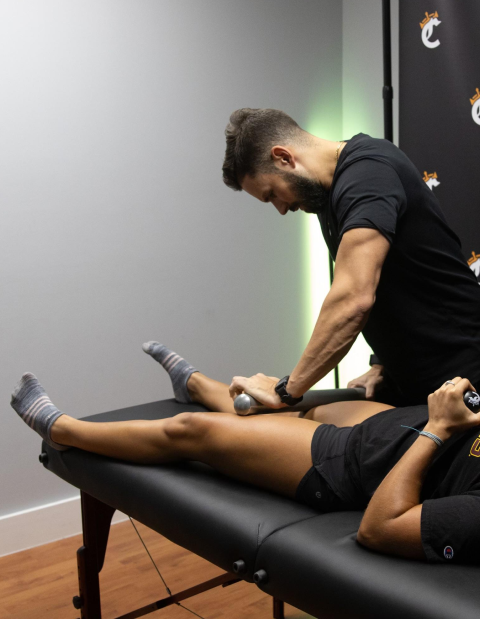
Engaging in regular physical activity is vital for maintaining good health and an active lifestyle. However, it also increases the risk of injury if adequate preventive measures are not taken. Whether you are a seasoned athlete or just beginning your fitness journey, understanding the importance of injury prevention can significantly impact your overall well-being. This article explores essential strategies for preventing injuries to help active individuals maintain their fitness goals effectively and safely.
Understanding Common Injuries
Before diving into prevention strategies, it’s crucial to recognize common injuries that active individuals might face:
- Sprains and Strains: Often occur due to overstretching or tearing of ligaments or muscles.
- Tendinitis: Inflammation of tendons resulting from repetitive use.
- Fractures: Broken bones usually caused by falls or impacts.
- Dislocations: Joints forced out of their normal position.
- Shin Splints: Pain along the shin bone from overuse.
Understanding these injuries is the first step in implementing effective prevention strategies. Read more about this topic.
Key Injury Prevention Strategies
To minimize the risk of injuries, active individuals should incorporate the following strategies into their routines:
1. Proper Warm-Up and Cool-Down
Engaging in a thorough warm-up before any physical activity prepares the body for the demands of exercise. This may include:
- Dynamic stretches that mimic the movements of the activity.
- Light aerobic exercises to increase heart rate and blood flow to muscles.
Similarly, a cool-down after exercise helps the body transition back to a resting state, reducing muscle stiffness and soreness.
2. Strength and Flexibility Training
Building strength and flexibility is essential for supporting joints and preventing injuries. Consider incorporating:
- Resistance training to strengthen muscles around joints.
- Flexibility exercises to improve range of motion and reduce stiffness.
These exercises create a balanced physique, which is crucial for injury prevention. Learn more in this detailed guide.
3. Appropriate Equipment and Footwear
Using the right equipment and footwear can significantly reduce the risk of injuries. Ensure that:
- Footwear is suitable for the specific activity, providing adequate support and cushioning.
- Protective gear is worn when necessary, such as helmets or pads.
Proper gear not only enhances performance but also serves as a protective measure against injuries.
4. Listen to Your Body
Paying attention to your body’s signals is crucial for preventing overuse injuries. Consider the following tips:
- Rest when feeling fatigued or experiencing pain.
- Gradually increase the intensity and duration of activities.
- Seek professional advice if persistent pain occurs.
Understanding and respecting your body’s limits can help avoid injuries that result from pushing too hard. Explore further insights here.
Recovery and Rehabilitation
Even with preventive measures, injuries can still occur. In such cases, proper recovery and rehabilitation are essential:
- Rest and Ice: Allow time for healing and use ice to reduce swelling.
- Compression and Elevation: Support injured areas and elevate to reduce swelling.
- Rehabilitation Exercises: Engage in exercises to restore strength and mobility.
Consulting healthcare professionals can aid in developing a tailored recovery plan. Find additional information here.
In conclusion, active individuals can enjoy their pursuits while minimizing the risk of injury by understanding common injuries, implementing preventive strategies, and ensuring proper recovery. Prioritizing injury prevention not only safeguards physical health but also enhances long-term performance and enjoyment of physical activities.
