
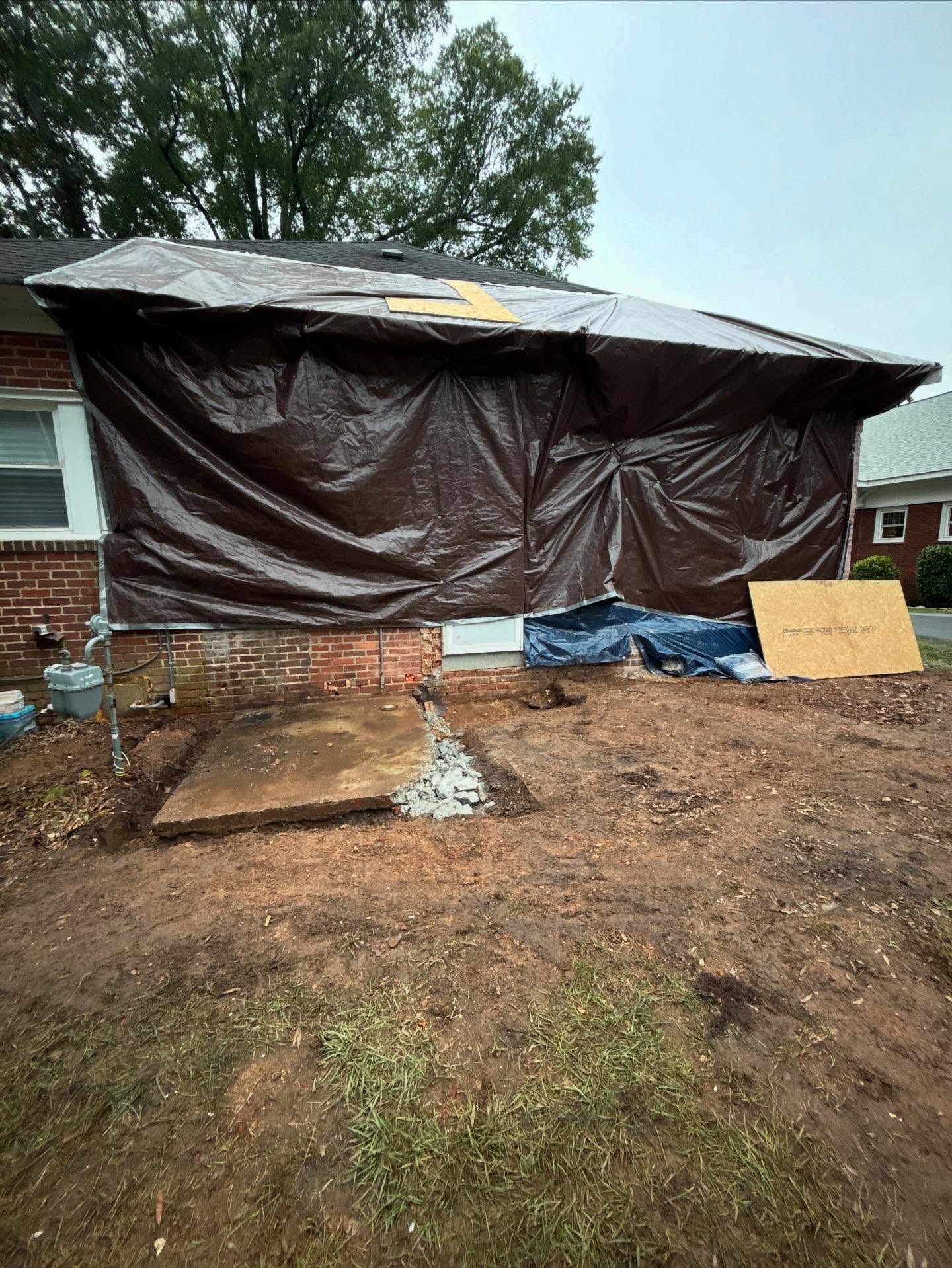
Commercial demolition is a crucial aspect of urban development and renovation. It involves the systematic dismantling or destruction of buildings and other structures to make way for new developments or to remove hazardous buildings. This process requires precision, expertise, and adherence to safety regulations to ensure the effective removal of structures without compromising the integrity of surrounding areas or endangering workers and residents.
Understanding Commercial Demolition
Commercial demolition differs significantly from residential demolition due to the scale, complexity, and regulations involved. It encompasses a variety of services tailored to meet the needs of large-scale projects, including:
- Complete building demolition
- Selective demolition for partial structural removal
- Interior strip-outs for office renovations
- Asbestos removal and environmental remediation
Each of these services requires specialized equipment and trained personnel to execute the tasks safely and efficiently. Read more about this topic to gain a deeper understanding of the varied services offered in commercial demolition.
Key Considerations in Commercial Demolition
Safety and Compliance
Safety is paramount in commercial demolition projects. Adherence to local, state, and federal regulations is essential to ensure not only the safety of workers but also the protection of the environment and community. Key safety considerations include:
- Comprehensive risk assessments before project initiation
- Use of personal protective equipment (PPE) by all workers
- Implementation of dust and noise control measures
- Proper disposal of hazardous materials
For detailed insights on safety protocols, explore further insights here.
Project Management and Efficiency
Effective project management is critical to the success of a commercial demolition project. This involves meticulous planning and scheduling to minimize disruptions and ensure timely completion. Key elements include:
- Detailed project timelines and milestones
- Coordination with local authorities for necessary permits
- Efficient resource allocation and equipment management
- Regular progress reviews and adjustments as needed
Efficient project execution not only saves time and costs but also mitigates potential risks associated with delays. Find additional information here on best practices in project management for demolition.
Technological Advances in Demolition
The demolition industry has seen significant technological advancements that enhance safety and efficiency. Modern demolition techniques include:
- Use of high-reach excavators for tall structure dismantling
- Implosion methods for controlled building collapses
- Remote-controlled machinery for hazardous environments
- Advanced recycling and salvage techniques for sustainability
These technologies not only improve the precision of demolition activities but also contribute to sustainability efforts by maximizing the reuse and recycling of materials. Learn more in this detailed guide on technological innovations in the field.
Conclusion
Professional commercial demolition services play a vital role in urban development and infrastructure improvement. With a focus on safety, efficiency, and environmental responsibility, these services help transform landscapes while safeguarding community welfare and environmental health. As technology continues to evolve, the capabilities and impact of demolition services will only expand, paving the way for more sustainable and innovative construction practices.
