
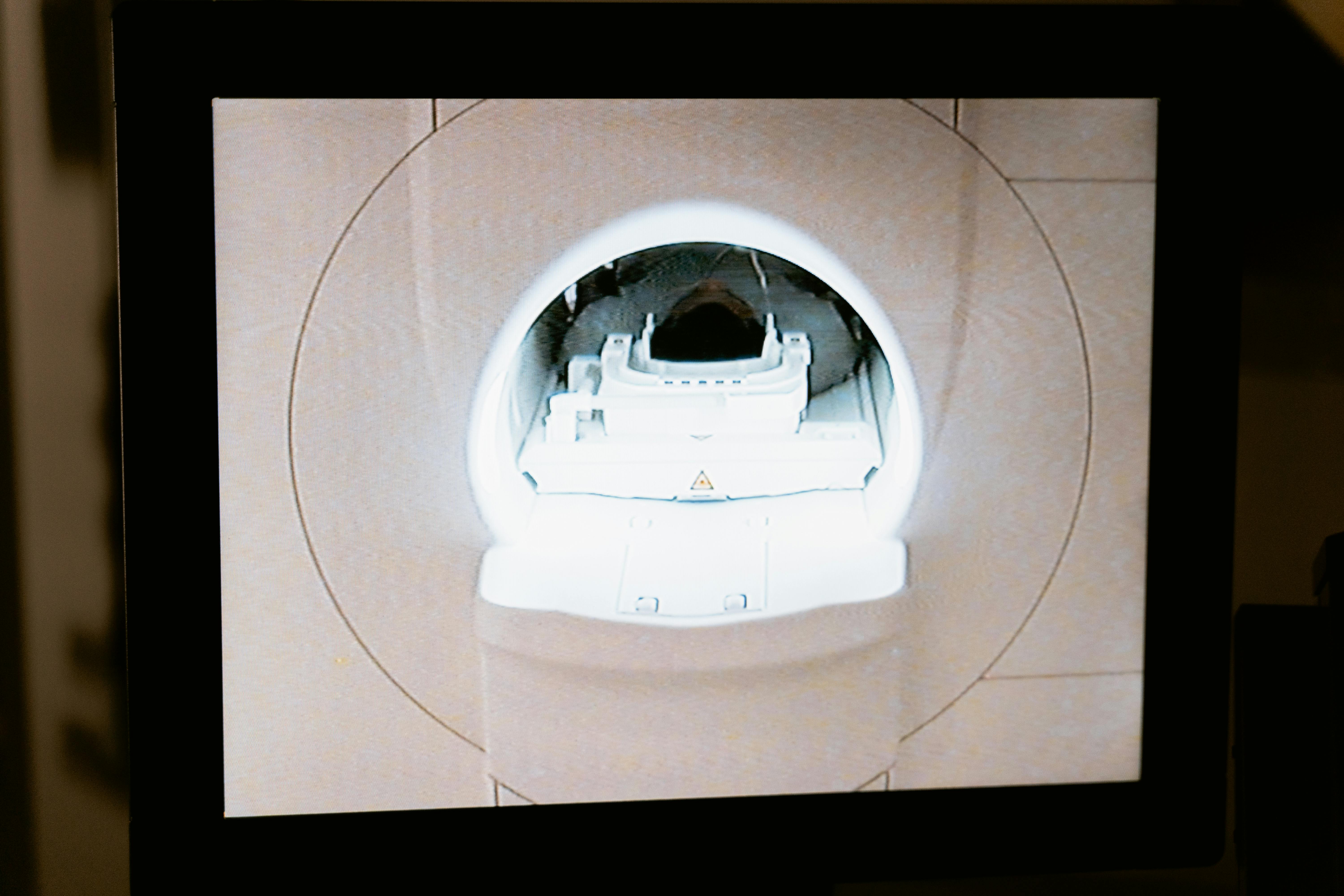
In the ever-evolving landscape of healthcare, nuclear medicine plays a pivotal role by providing advanced diagnostic and therapeutic options. Through the use of small amounts of radioactive materials, nuclear medicine allows for the precise diagnosis and treatment of various conditions, from cancer to heart diseases. The integration of nuclear medicine into modern healthcare has significantly enhanced the ability to detect diseases at earlier stages, monitor the progression of illnesses, and evaluate the effectiveness of treatments.
Understanding Nuclear Medicine
Nuclear medicine involves the application of radioactive substances in the diagnosis and treatment of diseases. It is a unique branch of medical imaging services that provides detailed information about the structure and function of organs and tissues. Unlike other imaging modalities, nuclear medicine focuses on the physiological processes rather than just anatomical structures.
Diagnostic Applications
One of the primary applications of nuclear medicine is in diagnostics. By utilizing nuclear medicine imaging techniques, healthcare professionals can:
- Evaluate organ function and blood flow.
- Identify tumors and cancerous cells.
- Detect bone abnormalities and fractures.
- Monitor heart diseases and evaluate cardiac functions.
Therapeutic Applications
Beyond diagnostics, nuclear medicine also offers therapeutic benefits. It is used in treating certain types of cancer and other diseases by delivering targeted radiation therapy, which can:
- Directly target cancer cells, minimizing damage to healthy tissues.
- Offer a non-invasive alternative to surgery.
- Provide personalized treatment plans based on the patient”?s specific needs.
The Advantages of Nuclear Medicine
The integration of nuclear medicine into healthcare systems offers numerous advantages:
- Early detection of diseases, which enhances the chances of successful treatment.
- Highly detailed images that improve diagnostic accuracy.
- Real-time monitoring of disease progression and treatment efficacy.
- Minimal side effects compared to traditional radiation therapies.
As advanced diagnostic imaging continues to evolve, the capabilities of nuclear medicine expand, providing even more precise and effective healthcare solutions.
Choosing the Right Nuclear Medicine Clinic
When considering nuclear medicine procedures, it is essential to select a reputable nuclear medicine clinic. Key factors to consider include:
- Expertise and qualifications of the medical staff.
- The availability of state-of-the-art technology and equipment.
- The clinic’s accreditation and adherence to safety standards.
- Quality of patient care and support services.
A well-established clinic will ensure that patients receive the highest quality of radiological imaging services in a safe and supportive environment.
Future of Nuclear Medicine in Healthcare
The future of nuclear medicine is promising, with advancements in technology and research paving the way for improved diagnostic and therapeutic options. Innovations in nuclear medicine scans and techniques are expected to:
- Enhance the precision and accuracy of imaging and treatment.
- Expand the range of conditions that can be diagnosed and treated.
- Reduce the time required for scans and increase patient comfort.
- Integrate with other medical disciplines to offer comprehensive healthcare solutions.
As the field continues to innovate, the role of nuclear medicine in healthcare will undoubtedly grow, offering more effective ways to manage and treat a wide array of health conditions.
