
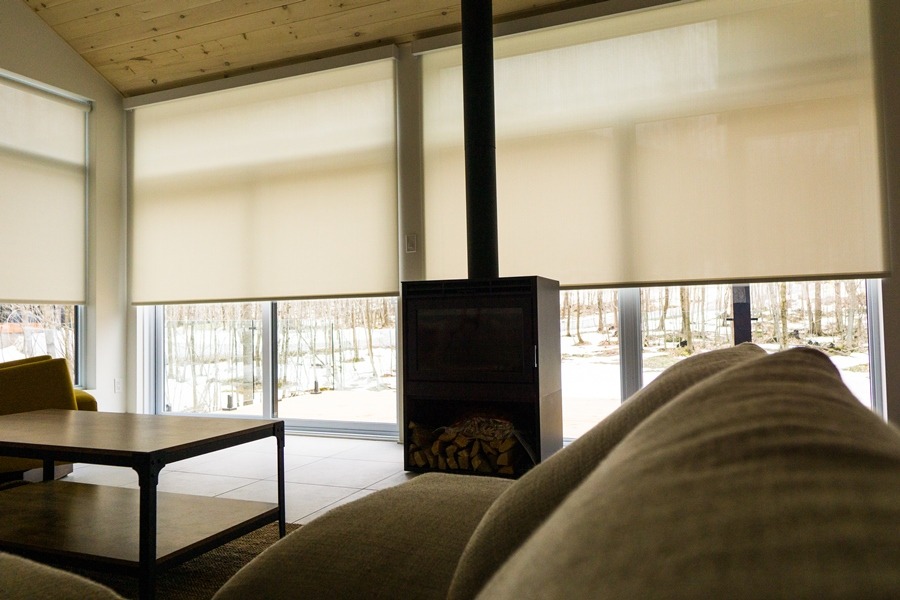
In today’s fast-paced world, home automation has become a pivotal aspect of modern living, enhancing convenience and efficiency. Among the various smart home innovations, smart shades stand out as a remarkable addition, offering automated control over window coverings. These advanced window solutions not only improve the aesthetic appeal of a home but also contribute to energy conservation and privacy. This article delves into the benefits of integrating smart shades into your home, the technology behind them, and the factors to consider when making a selection.
Benefits of Smart Shades
Smart shades offer numerous advantages that cater to the needs of contemporary homeowners. Here are some key benefits:
- Convenience: Automated window shades allow homeowners to control their blinds effortlessly using a smartphone, voice commands, or a dedicated remote. This is particularly useful for hard-to-reach windows.
- Energy Efficiency: By automating the adjustment of shades according to the time of day or sunlight exposure, automatic shading windows can significantly reduce energy consumption by minimizing the need for artificial lighting and air conditioning.
- Enhanced Privacy and Security: Smart shades can be programmed to close at certain times, providing privacy and an added layer of security by giving the appearance of an occupied home.
- Customization: With a wide range of styles and materials available, homeowners can choose shades that complement their interior design while maintaining functionality.
Technology Behind Smart Shades
How Do Smart Shades Work?
The technology behind blinds for smart homes is both sophisticated and user-friendly. At the core, these systems use motors to adjust the position of the shades. These motors are connected to a network that can be controlled via various interfaces:
- Mobile Apps: Most smart shades come with mobile applications that allow users to schedule operations, adjust settings, and control shades remotely.
- Voice Assistants: Integration with voice-controlled systems like Amazon Alexa or Google Assistant allows for hands-free operation.
- Smart Home Systems: Compatibility with broader smart home ecosystems enables seamless integration with other devices such as smart thermostats and lighting systems.
Considerations When Choosing Smart Shades
When selecting remote control blinds, several factors should be taken into account to ensure optimal performance and satisfaction:
- Compatibility: Ensure that the smart shades are compatible with existing home automation systems and preferred control interfaces.
- Power Source: Consider whether the shades are battery-operated, solar-powered, or require a wired connection. Each option has its advantages and limitations.
- Installation: Some systems may require professional installation, while others are designed for easy DIY setup. Decide based on personal preference and skill level.
- Cost: While automatic window blinds may require a higher initial investment, the long-term savings on energy bills and increased property value are worth considering.
Conclusion
Integrating remote control window blinds into a home represents a step towards a more convenient, efficient, and secure living environment. As technology continues to evolve, smart shades are becoming an increasingly accessible and attractive option for homeowners looking to upgrade their window treatments. By understanding the benefits, technology, and considerations involved, individuals can make informed decisions that align with their lifestyle and home automation goals.
