
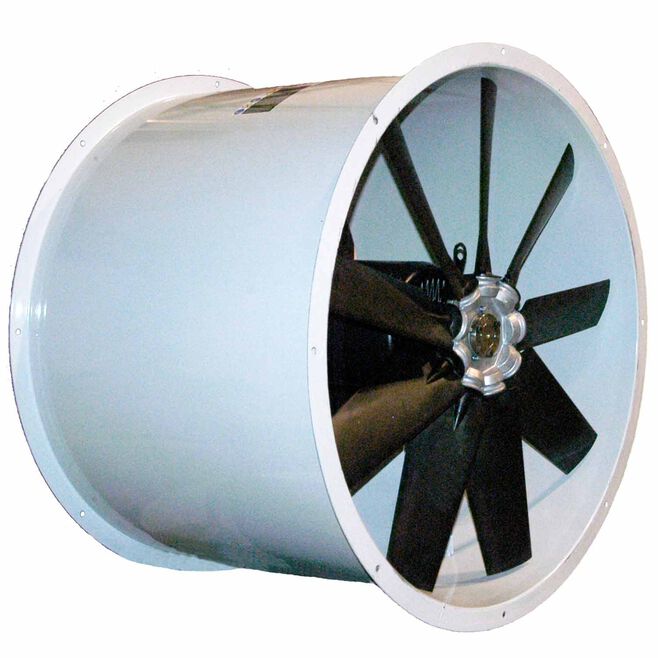
In the world of marine engineering, the significance of a robust ventilation system cannot be overstated. Whether it’s a small recreational boat or a large commercial vessel, effective ventilation is essential for maintaining air quality, ensuring fuel efficiency, and safeguarding engine performance. Upgrading to high-quality marine fans is a strategic decision that enhances safety, comfort, and operational efficiency on any vessel.
The Importance of Marine Ventilation
Proper ventilation is critical for maintaining a healthy and safe environment on board. Marine vessels are enclosed spaces where air circulation can become stagnant, leading to a host of potential issues.
- Air Quality: Stagnant air can lead to the accumulation of harmful fumes and moisture, contributing to mold and mildew growth.
- Engine Performance: Engines require a steady supply of fresh air to function optimally. A well-ventilated engine room can prevent overheating and improve fuel efficiency.
- Safety: Removing hazardous fumes like carbon monoxide and ensuring adequate air exchange can prevent accidents and health risks.
Choosing the Right Marine Ventilation Fans
Selecting the appropriate marine ventilation fans requires understanding the specific needs of your vessel. Factors such as size, engine type, and operating environment play crucial roles.
- Type of Fan: Options include axial fans, centrifugal blowers, and marine blower fan systems, each suited for different applications.
- Material and Durability: Fans constructed from corrosion-resistant materials ensure longevity in harsh marine environments.
- Noise Levels: Consider fans designed to operate quietly, enhancing onboard comfort.
- Power and Efficiency: High-efficiency fans can reduce energy consumption and operational costs.
Key Components of a Ventilation System
A comprehensive ventilation system comprises several key components that work in harmony to provide optimal air exchange.
Ventilation Blowers
Ventilation blowers are essential for moving large volumes of air, especially in engine rooms and other confined spaces. They are designed to handle high air pressure and volume, preventing heat buildup and ensuring efficient operation of machinery.
Exhaust Fans
The boat exhaust fan is crucial for expelling contaminated air. It helps maintain air quality by removing smoke, fumes, and other pollutants generated during engine operation or cooking processes.
Ventilation Marine Fans
For general air circulation, ventilation marine fans are used throughout the vessel. These fans can be strategically placed to ensure consistent airflow in living quarters, galleys, and storage areas.
Considerations for Installation
Installing new ventilation systems or upgrading existing ones requires careful planning and execution. Here are some key considerations:
- Placement: Ensure fans are strategically placed to maximize airflow and reduce dead zones.
- Power Supply: Verify that the power supply is adequate for the new equipment and complies with marine standards.
- Maintenance Access: Plan for easy access to fans and ducts for regular maintenance and inspection.
Conclusion
Upgrading a vessel’s ventilation system with quality marine fan solutions is a wise investment that enhances safety, efficiency, and comfort. By carefully selecting the right components and ensuring proper installation, vessel owners can significantly improve operational performance and prolong the lifespan of both the vessel and its equipment. For those looking to optimize their marine environment, exploring options like a blower fan for boat or a marine engine blower could provide the perfect solution.
