
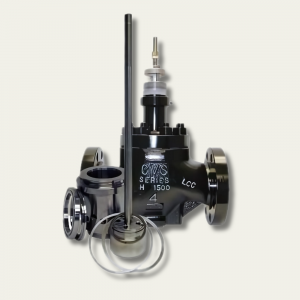
Exploring the Functionality of Pressure Safety Valves in Process Industries
Pressure safety valves (PSVs) play a critical role in maintaining the safety and efficiency of process industries. These devices are designed to protect equipment and personnel from overpressure incidents that can lead to catastrophic failures. Understanding how PSVs work and their importance in industrial systems is essential for engineers and technicians who manage these environments.
Understanding Pressure Safety Valves
The Role of Pressure Safety Valves
Pressure safety valves are integral to process industries such as oil and gas, chemical manufacturing, and power generation. Their primary functions include:
- Protecting equipment from damage due to overpressure.
- Ensuring the safety of personnel by preventing explosions and leaks.
- Minimizing downtime and maintaining operational efficiency.
How Pressure Safety Valves Operate
PSVs are designed to open at a predetermined pressure level to release excess pressure. This automatic function prevents system damage and ensures that the pressure remains within safe limits. For detailed operational strategies, discover expert strategies here.
Types of Pressure Safety Valves
Conventional Safety Valves
These are the most common type of PSVs found in process industries. They are suitable for systems where back pressure is not a concern. Key features include:
- Simple design and construction.
- Cost-effective for low-pressure applications.
- Requires regular maintenance to ensure reliability.
Pilot-Operated Safety Valves
These valves are used in systems with higher pressure requirements. They offer advantages such as:
- Higher set pressure and back pressure capabilities.
- Reduced risk of leakage due to the pilot mechanism.
- Ideal for complex industrial setups.
To explore how these solutions can be tailored to specific requirements, learn about our tailored solutions.
Significance of Selecting the Right Pressure Safety Valve
Impact on System Performance
Choosing the correct PSV is crucial for maintaining optimal system performance. The wrong selection can lead to:
- Increased risk of pressure-related incidents.
- Compromised safety protocols.
- Costly downtime and repairs.
Factors to Consider
When selecting a PSV, consider factors such as:
- The specific pressure range of the application.
- The type of fluid or gas being processed.
- Environmental conditions and potential exposure to corrosive substances.
For more insights into choosing the right valve, explore advanced guides and tips.
Maintaining Pressure Safety Valves
Regular Inspections and Testing
Routine maintenance is essential to ensure the reliability of PSVs. Regular inspections and testing help in:
- Identifying wear and tear early.
- Preventing unexpected failures.
- Ensuring compliance with industry standards.
Adopting Best Practices
Implementing best practices for PSV maintenance can significantly enhance operational safety. Find out more about this approach.
In conclusion, pressure safety valves are vital components in ensuring the safety and efficiency of process industries. By understanding their functionality, selecting the appropriate type, and maintaining them effectively, industries can safeguard their operations and ensure a safe working environment.
